
Rumtek Monastery Sikkim
The Spiritual Crest of Kagyu Buddhism and a Jewel of Sikkim Pilgrimage Tourism
Sikkim, a land cradled by the mighty Himalayas, has long been celebrated as a sanctuary of profound spiritual energy, natural splendor, and unparalleled peace. For travelers seeking a transformation that transcends typical leisure vacations, sikkim pilgrimage packages offer an entry point into centuries-old traditions. Among the many sacred jewels scattered across the landscape, rumtek monastery stands as an undisputed epicenter of Buddhist heritage, spiritual learning, and magnificent art. Perched elegantly on a hill overlooking the capital city of Gangtok, this grand sikkim monastery serves as a beacon for global seekers, making rumtek monastery tourism one of the pillars of monastic discovery across north east india travel circuits.
When you consult a premium sikkim travel guide , this majestic sanctuary is consistently highlighted as a core element of any itinerary highlighting places to visit in sikkim . Formally recognized as the Dharmachakra Centre, the complex represents much more than a scenic architectural landmark; it is the official international seat of the Kagyu lineage. Its history is closely bound up with spiritual endurance, artistic preservation, and the survival of sacred Tibetan texts. Today, it stands as a shining testament to the resilience of sikkim culture , drawing historical scholars, devout pilgrims, and global wanderers eager to experience the serene rhythm of monastic life.
The Rich Tapestry of Rumtek History & Culture
The story of sikkim rumtek begins deep in the annals of Buddhist history. The original structure was established in the mid-1730s under the direction of the 9th Karmapa, but over generations, the structures suffered substantial damage due to natural decay and earthquakes. The true renaissance of rumtek in sikkim arrived with the flight of His Holiness the 16th Gyalwa Karmapa from Tibet in 1959. Recognizing the spiritual openness of Sikkim and the alignment of its natural features with traditional requirements, the Karmapa chose this sacred ridge to rebuild his spiritual seat.
With the support of the royal family of Sikkim and the government of India, construction on the modern complex commenced. Monks and local craftspeople spent years recreating the authentic architectural blueprint of Tsurphu Monastery, the lineage's historic home in Tibet. When it was inaugurated on the auspicious day of Tibetan New Year in 1966, the sanctuary safely housed invaluable relics, holy scriptures, thangkas (complex embroidered scrolls), and statues brought directly from Tibet. Today, understanding this history is crucial to fully appreciating the depth of sikkim history , as the site anchors a living lineage that continues to teach compassion, meditation, and ancient philosophy to visitors from around the world.
Architectural Grandeur and Sacred Relics
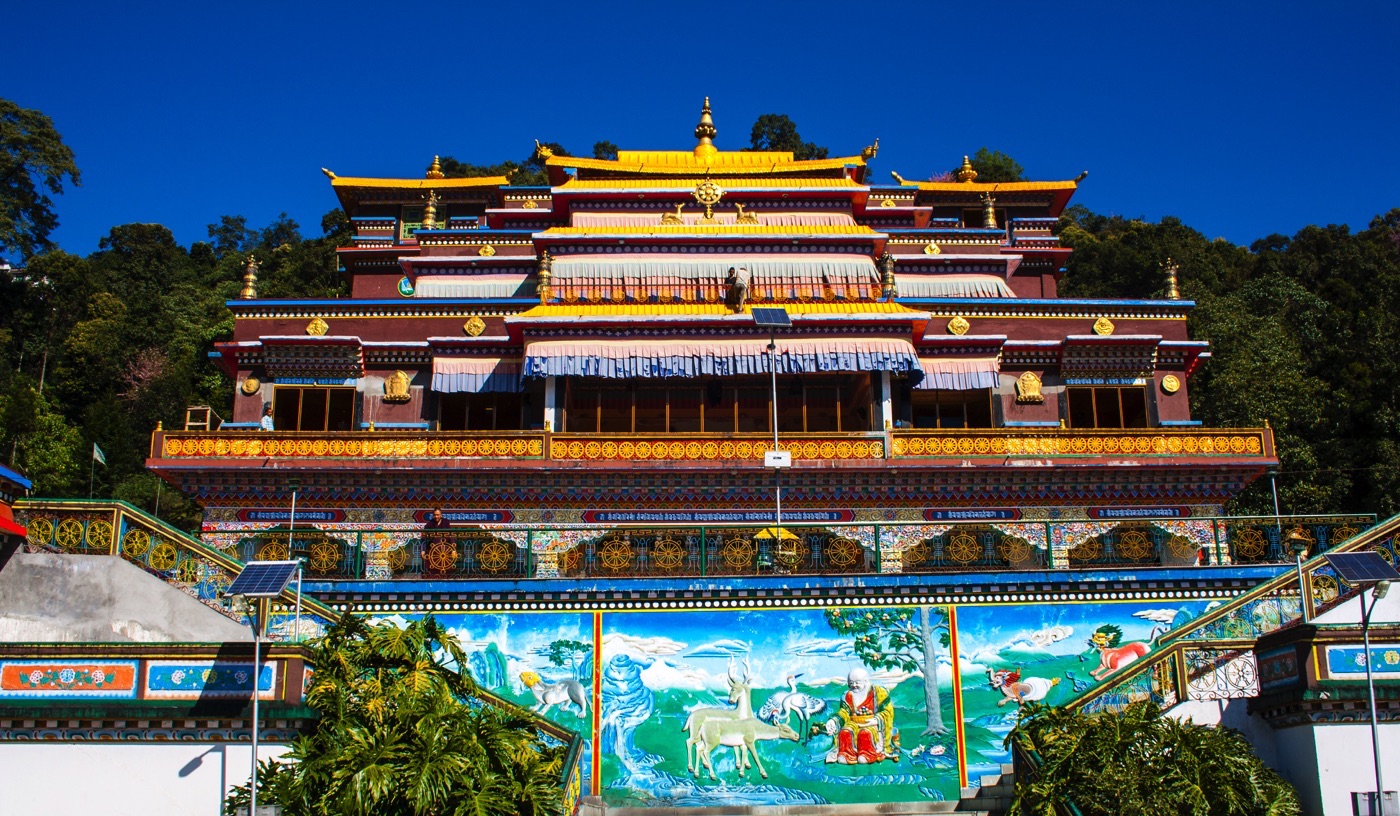
From an architectural standpoint, the complex represents an extraordinary achievement in traditional craftsmanship. The main structure is a magnificent three-story building that incorporates layout choices unique to the Kagyu school. As you step past the entrance gates, you enter a vast courtyard flanked by monk residences. The exterior facade features striking traditional colors, where deeply saturated reds, stark whites, and brilliant golds evoke a sense of deep spiritual authority.
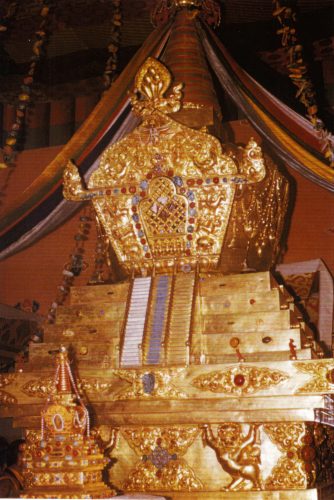
Inside the main prayer hall, the walls feature hand-painted murals depicting the life of Buddha and key lineage teachers. Elaborate silk thangkas hang from the tall ceilings, swaying gently with the cool mountain breeze. The central altar holds a majestic statue of Buddha Shakyamuni, flanked by protective deities. However, the absolute crown jewel of rumtek tourism resides inside the adjacent Nalanda Institute building: the magnificent Golden Stupa.
The Golden Stupa is a brilliant structure adorned with pure gold plates, encrusted with precious gemstones including turquoise, coral, amber, and pearls. This highly revered monument safely holds the sacred relics and mortal remains of the 16th Gyalwa Karmapa.
Pilgrims perform ritual circumambulations (walking clockwise around the stupa) while whispering mantras, creating an atmosphere thick with devotion. Witnessing this profound ritual gives travelers a direct connection to real spiritual practices that define modern monastery tourism in the sub-Himalayan region.
Sikkim Monastic Festivals: Living Traditions
To experience the absolute peak of local color, energy, and devotion, planning your visit around the sikkim monastic festivals is an unforgettable choice. The most famous celebration hosted at the complex is the annual Vajrakilaya festival, held in the final week of the Tibetan lunar calendar (typically around February or March). During this sacred period, the peaceful atmosphere transforms into a rich celebration of sacred sound and vivid color.
The festival features the performance of Cham dances—highly choreographed ritual mask dances performed by trained lamas in the central courtyard. The dances, accompanied by the deep rumble of long horns, rhythmic cymbals, and monastic chanting, represent the victory of good over evil forces and the purification of the land. Experiencing these vibrant dances provides a rare window into authentic Himalayan practices, making it a standout highlight among all available sikkim attractions .
Essential Travel Planner for Rumtek Tourism
Planning your journey smoothly requires accurate, actionable logistical insights. Located approximately 23 kilometers from the capital city of Gangtok, the journey winding through terraced paddy fields, alpine forests, and quiet mountain villages is a reward in itself. Here is a quick-reference chart to maximize your journey:
| Parameter | Details & Recommendations |
|---|---|
| Best Time to Visit | March to May (pleasant weather) or October to December (clear mountain views). |
| Operating Hours | 6:00 AM to 6:00 PM daily. Main prayer hall timings may vary slightly based on prayers. |
| Dress Code | Modest clothing required. Cover shoulders and knees. Remove shoes before entering shrines. |
| Photography Rules | Allowed in outer courtyards. Strictly prohibited inside the inner main prayer halls. |
Expanding the Pilgrimage: The Greater Monastic Circuit
While Rumtek remains a key destination, a complete sikkim pilgrimage journey introduces travelers to several other historic structures nearby, each holding its own architectural and lineage significance. Expanding your journey across these secondary sacred sites deepens your appreciation for the vast diversity of a classic sikkim travel guide .

1. Do Drul Chorten
Located right in the heart of Gangtok, do drul chorten is an iconic stupa built in 1945 by Trulshik Rinpoche. Encircled by 108 prayer wheels containing holy inscriptions, this revered monument is an essential spiritual destination for travelers exploring key places to visit in sikkim .
2. Ranka Monastery
Also known as Lingdum Monastery, ranka monastery is a short drive from Gangtok and features a sprawling courtyard, a grand multi-level main sanctuary, and a younger generation of monastics. Its extensive open spaces make it a popular favorite for contemporary regional exploration.
3. Enchey Monastery
Perched high above Gangtok, the 200-year-old enchey monastery belongs to the Nyingma order. Its location is believed to be blessed by Lama Drupthob Karpo, a legendary master known for his flying abilities, adding a rich legendary charm to your travel plans.
The Wider Sikkim Monasteries Trail
For dedicated pilgrims who wish to explore deeper into the mountains, the legendary sikkim monasteries network extends across the western, southern, and northern districts, showcasing the profound spiritual foundations of the state:
- Pemayangtse Monastery: Located in West Sikkim, pemayangtse monastery is one of the oldest and most prestigious institutions in the state, famous for its intricate seven-tiered wooden model depicting the celestial palace of Guru Rinpoche.
- Tashiding Monastery: Perched on a remote ridge between two rivers, tashiding monastery is considered so sacred that according to local belief, merely viewing the structure cleanses a devotee of accumulated sins.
- Phodong Monastery: Representing the North, phodong monastery is a historic Karma Kagyu site that offers magnificent vistas of the deep valleys below.
- Buddha Park Ravangla: A modern marvel of faith, buddha park ravangla features an awe-inspiring, 130-foot-tall copper statue of Lord Buddha framed against the open sky.
- Namchi Char Dham: This unique cultural complex, known formally as Siddhesvara Dhaam, features a towering 108-foot statue of Lord Shiva surrounded by replicas of India's four primary holy sites, making namchi char dham an essential cornerstone of the state's modern spiritual destinations.
Frequently Asked Questions (FAQs)
The complex is located about 23 kilometers from Gangtok. You can easily hire a private taxi from the main taxi stands in Gangtok, which takes around 1 to 1.5 hours each way depending on mountain traffic conditions.
Yes, due to its immense cultural importance and the presence of rare relics, there is an active security checkpoint at the entrance. Visitors must carry a valid photo ID (like an Aadhaar Card, Voter ID, or Passport) to secure entry at the main gates.
Beyond exploring the main shrines, you can visit the nearby Nehru Botanical Garden, walk through local organic tea stalls, or hike down to the old historic 1730s structure located slightly lower down the mountain slope.